Seismic Prep Team

The Survival Math: Why Preparedness is Your Greatest Asset

Recent data from 2024–2025 survival studies and FEMA reports highlight a stark “Resilience Gap” between households that prepare and those that do not. When the shaking stops, the math is simple: preparation doesn’t just save time; it saves lives. The Bottom Line: Being prepared is not a hobby; it is a calculated investment in your […]

The Survival Math: Why Preparedness is Your Greatest Asset Read More »
Essential US Seismic Preparedness: Downloadable Checklists

Preparedness is the difference between panic and a plan. We’ve compiled these three essential guides based on US safety standards to help you secure your home and protect your family before the next earthquake strikes. The Ultimate Seismic Survival Blueprint Summarizes everything for your family. Great for the fridge! Home Safety Checklist Focuses on bolting

Essential US Seismic Preparedness: Downloadable Checklists Read More »

The “Big One” Survival Guide: Historical Truths and Life-Saving Tactics

Affiliate Disclosure: As an Amazon Associate, I earn from qualifying purchases. Every major earthquake in history has left behind a trail of lessons. For those of us living in high-risk zones, understanding the past is the only way to survive the future. This guide covers the historical patterns of the “Big One” and exactly what you

The “Big One” Survival Guide: Historical Truths and Life-Saving Tactics Read More »

The Science of Shaking: An Overview of Seismic Risk

Affiliate Disclosure: As an Amazon Associate, I earn from qualifying purchases. Strategic Summary System Mechanics: Earthquakes are the sudden release of energy from “stuck” tectonic plates. Risk Variable: Your specific soil type (Bedrock vs. Landfill) determines the severity of shaking. Survival Gap: In a major event, you must be self-sufficient for at least 72 hours. If

The Science of Shaking: An Overview of Seismic Risk Read More »

The 72-Hour Survival Guide: Being Your Own First Responder

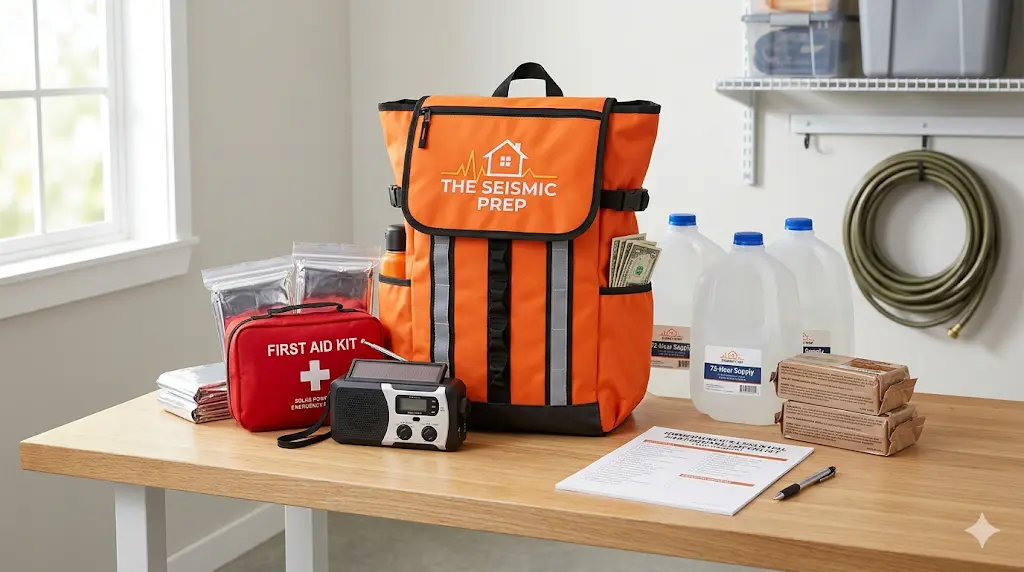
Affiliate Disclosure: As an Amazon Associate, I earn from qualifying purchases. In a major seismic event, your local emergency services may be overwhelmed. US preparedness standards suggest that every household must be self-sufficient for at least 72 hours. Being your own “First Responder” requires a plan and a few key pieces of vetted gear. 1.

The 72-Hour Survival Guide: Being Your Own First Responder Read More »

When the Big One Hits, the Power is Gone

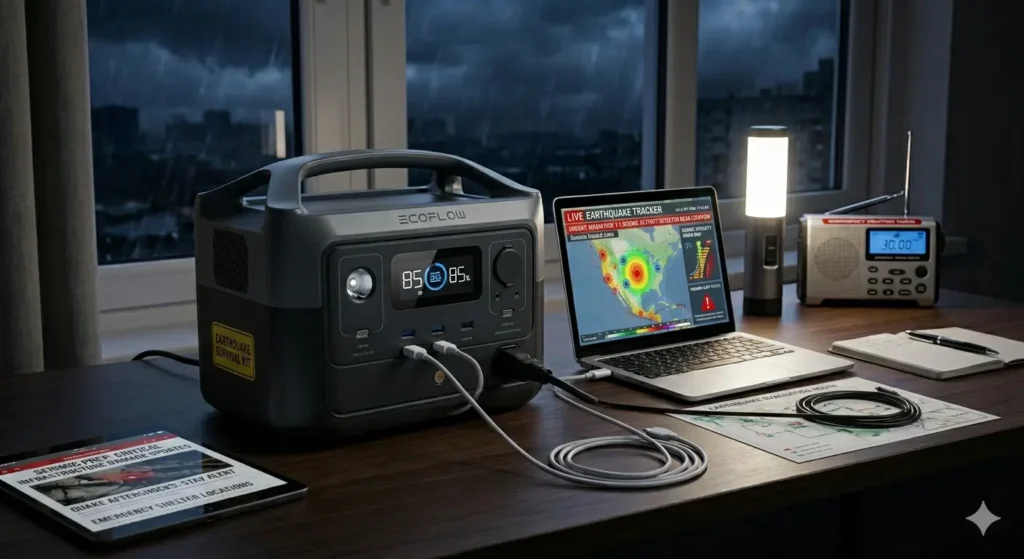
An earthquake doesn’t just flicker the lights—it severs critical infrastructure. Traditional generators are useless if the gas lines are compromised or if you cannot get fuel due to road closures. The power solutions shown below are self-contained, “Seismic-Safe” options that you can recharge with solar panels or store for months without degradation. 1. The Personal

When the Big One Hits, the Power is Gone Read More »